Best Mom Ever Design Review for Embroidery Projects
First Impressions: Visual Balance and Stitch Potential
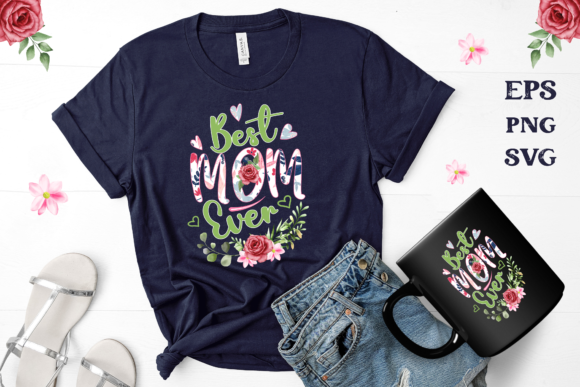
When evaluating a new machine embroidery design for commercial or personal use, my first step is always to look past the digital rendering and visualize the physical stitch-out. With the "Best Mom Ever" graphic, the initial impression is one of clean, versatile typography paired with adaptable vector elements. As a designer who frequently creates custom apparel and personalized gifts, I appreciate that this asset is marketed as having 100 resizable vector shapes. This is a critical feature for embroidery digitizers because it allows us to adjust individual elements without distorting the core geometry. The mood is undeniably warm and celebratory, fitting perfectly into the Mother’s Day niche, but the simplicity of the layout suggests it could easily transition into year-round mom merchandise if styled correctly.
The visual personality here leans towards modern and approachable rather than overly ornate. For an Etsy seller or small shop product line, this is advantageous. Overly complex designs often limit your customer base, whereas this cleaner aesthetic appeals to a broader demographic looking for wearable, everyday items. However, because the source files are EPS, SVG, and PNG, you must remember that these are graphics, not pre-digitized embroidery files. You will need to digitize this yourself or hire a professional to convert these vectors into a stitch file suitable for your specific machine and fabric choice.
Real-World Application: Digitizing for a Crewneck Sweatshirt
To truly test the viability of "Best Mom Ever, Mom Shirts, Mother s Day" assets, I approached this review with a specific project in mind: a custom embroidered crewneck sweatshirt intended as a high-value holiday gift. Sweatshirts present unique challenges due to the fleece backing and stretchy knit face. When importing the vector shapes into my digitizing software, I focused heavily on how the text would interact with the fabric texture.
For this application, I opted to treat the main text as a combination of satin stitch columns and light fill stitch areas to prevent the design from becoming too heavy or bulletproof. A dense, solid fill on a sweatshirt can cause puckering and make the garment uncomfortable to wear. Because the original artwork is resizable, I was able to scale the lettering to fit a 5x7 hoop while maintaining legible stroke widths. I also incorporated a subtle running stitch border around the key phrase to anchor the design visually against the textured fleece. The result was a finished product that felt soft to the touch and looked professionally executed, validating the design's potential for premium commercial embroidery applications.
Navigating Fabric Limitations and Hoop Constraints
While this design is versatile, it requires careful consideration regarding where and how it is applied. Not every surface is friendly to typographic embroidery. Here are practical observations on where to exercise caution:
- Stretchy Knits and Thin Fabrics: If you are placing this design on a lightweight baby onesie or a thin rayon blouse, the standard satin stitches may pull the fabric. You must use an appropriate stabilizer, such as a cut-away mesh for knits or tear-away for wovens, to maintain registration.
- Small Hoop Sizes: While the vectors are resizable, reducing text below a certain threshold compromises clarity. If you are working with a 4x4 hoop size for a sleeve cuff or pocket placement, simplify the design. Remove secondary decorative elements and focus solely on the "Best Mom Ever" text to ensure the letters remain open and readable after stitching.
- Curved Surfaces: Applying this to caps or curved tote bag panels requires distortion correction in your digitizing software. Straight horizontal text from a flat vector file will appear curved or misaligned when stitched on a cylindrical cap frame. Always push/pull compensate for the curve.
- Textured Fabrics: On terry cloth towels or minky blankets, the pile can swallow fine details. Use a water-soluble topping to keep the stitches visible and consider increasing the stitch density slightly to prevent the fabric grain from showing through the thread.
Impact on Product Value and Customer Perception
In the competitive world of handmade products and digital downloads, presentation dictates perceived value. Using a well-balanced design like "Best Mom Ever" signals professionalism. Customers can instinctively tell when a design has been properly digitized versus when it has been auto-converted without adjustment. By taking the time to customize the thread colors and stitch types to match the specific garment, you elevate the item from a generic craft fair find to a boutique-quality piece.
Furthermore, the adaptability of this graphic supports brand consistency. If you run a craft business, you can use the same vector assets to create matching sets—perhaps a mom sweatshirt and a coordinating baby bib or tote bag design. This cohesion builds trust and encourages multi-item purchases. For those selling digital embroidery files, providing multiple format variations (such as an applique version and a full-stitch version) derived from these vectors adds immense value to your listing and reduces customer support inquiries regarding resizing issues.
Essential Designer Notes Before You Stitch
Before you commit this design to a final product or list it in your shop, adhere to these professional best practices to ensure success:
- Verify Licensing Terms: The product description mentions "Ready to print" and various formats, but it does not explicitly state the licensing terms for embroidery digitization or commercial resale of finished goods. Always confirm whether you have the right to sell physical embroidered items or the digitized files themselves before investing time in production.
- Test Stitch on Scrap Fabric: Never assume a digital preview equals a perfect stitch-out. Run a test on the exact fabric and stabilizer combination you plan to use. Check for registration errors, thread breaks, or excessive density.
- Evaluate Contrast: Test the design in both black-and-white and color mockups. Ensure the text remains legible against dark fabrics; you may need to add a white underlay or outline for contrast on navy or black garments.
- Check Small Details: Inspect any intricate flourishes or tiny accent shapes. If they are smaller than 2mm, they may not stitch out cleanly. Edit or remove these elements in your digitizing software to prevent needle damage or messy results.
- Confirm File Compatibility: Since the source includes EPS and SVG, ensure your digitizing software imports them correctly. Sometimes gradients or complex layers in vector art do not translate to stitch paths automatically and require manual redrawing.
Final Thoughts for Makers and Sellers
"Best Mom Ever, Mom Shirts, Mother s Day" offers a strong foundation for creators willing to put in the digitizing work. It is not a plug-and-play solution but rather a high-quality raw material for embroidery projects. Its strength lies in its vector flexibility, allowing for genuine customization that auto-digitized clipart cannot match. Whether you are creating a sentimental personalized gift for a client or building a scalable inventory for your online store, treating this graphic with professional digitizing standards will yield the best results. Remember that in embroidery, the difference between a hobbyist outcome and a professional product often comes down to understanding how the design interacts with the physical medium. Take the time to test, adjust, and refine, and this design will serve as a reliable asset in your creative toolkit.