Blessed to Be Called Aunt: An Embroidery Review
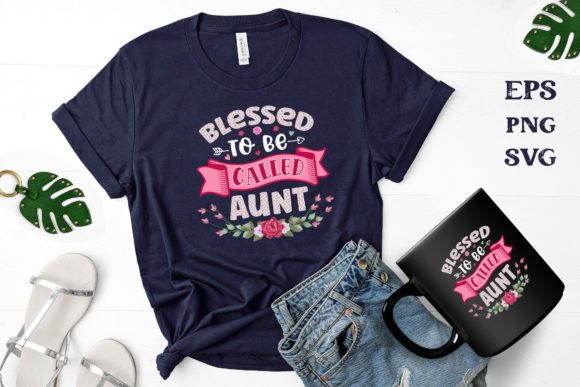
When evaluating digital assets for a craft business or personal studio, the transition from screen to fabric is where the real test begins. As a designer who regularly reviews machine embroidery design files and vector graphics, I approach "Blessed to Be Called Aunt" with a critical eye toward production viability. While the product description highlights its versatility as a printable graphic for mom t-shirts, my focus here is strictly on its performance as an embroidery project. The sentiment is undeniably sweet and marketable, but does the artwork hold up when translated into thread? Let’s break down the practical realities of using this design in a professional or hobbyist setting.
First Impressions and Vector Versatility
The immediate advantage of this asset is the inclusion of 100 vector shapes that are resizable. For any Etsy seller or apparel decorator, this is a significant selling point. Unlike raster images that pixelate when scaled, vectors allow you to adjust the hoop size without losing edge definition. When I first opened the EPS and SVG files, the lines were clean and distinct, which is exactly what you want before digitizing or sending to a commercial embroiderer. The layout feels balanced, suggesting it was created with both print and stitch in mind.
However, "resizable" does not always mean "stitch-ready" at every dimension. In my experience testing similar Graphics for Crafts, extreme resizing can distort letter spacing or thin out decorative elements. If you plan to use this for a small chest logo on a baby onesie versus a large back print on a sweatshirt embroidery piece, you must verify the line weight. Vectors give you the freedom to adapt, but they also require you to make informed decisions about minimum stitch widths to prevent thread breaks or fabric puckering.
Real-World Application: The Custom Sweatshirt Test
To truly judge this design, I mentally applied it to a current client request: a custom fleece crewneck sweatshirt for a new aunt. This is a classic personalized gift category that performs exceptionally well in Q4 and spring. Fleece is a textured, high-pile fabric that can swallow fine details. Here is how "Blessed to Be Called Aunt" fares in this specific scenario.
The design’s typography appears robust enough to handle a satin stitch border or a bold fill stitch. For a sweatshirt, I would recommend keeping the overall size above 4 inches to maintain legibility against the fuzzy texture. The phrase itself carries emotional weight, making it ideal for holiday embroidery or announcement gifts. Because the file allows for easy color changes, matching the thread to the recipient’s nursery theme or favorite color palette is straightforward. This flexibility increases the perceived value of the finished product because it feels bespoke rather than generic.
If adapting this for a tote bag design, the sturdiness of canvas fabric allows for higher density. You could potentially add more intricate flourishes or background textures that might be lost on fleece. The key is recognizing that while the digital file is static, your application must be dynamic based on the substrate.
Navigating Fabric Limitations and Stabilization
Not every surface is friendly to detailed text. While this design shines on stable knits and woven cottons, caution is required for stretchy performance wear or lightweight jersey. These fabrics are notorious for shifting during stitching. If you are creating custom apparel using thin material, the "Blessed to Be Called Aunt" design may require a heavier cutaway stabilizer or even a topping to prevent the stitches from sinking.
I would advise against using the full, unmodified design on curved surfaces like caps unless you have confirmed the vertical height fits within your cap frame’s limits. Caps present unique distortion challenges, and text-heavy designs often need re-digitizing to compensate for the curve. Similarly, if you are working with dark fabrics, ensure you account for underlay stitches. Light thread on dark fabric requires a solid foundation to prevent the fabric color from showing through, which adds stitch density. Always check your machine’s tension and needle type; a ballpoint needle is essential for knits to avoid cutting fibers, while a sharp needle works better for woven tote bags or tea towels.
Commercial Viability for Makers and Sellers
For those running a small shop product line or an online store, visual presentation is everything. The included PNG files are invaluable for creating accurate printable mockup previews. Customers need to see what they are buying before they commit. However, do not rely solely on digital mockups. Stitching out a physical sample of "Blessed to Be Called Aunt" builds immense customer trust. It proves you understand thread tension, color blending, and fabric behavior.
From a business perspective, this design fits multiple niches. It works as a standalone embroidered patch for denim jackets, a centerpiece for nursery pillows, or a subtle accent on a kitchen apron. The broad appeal of the "Aunt" demographic makes it a safer inventory bet than hyper-niche trends. Just remember to verify licensing terms regarding commercial use. While the description mentions it is ready to print and suitable for mom t-shirts, confirming whether you can sell finished embroidered goods or just the digital embroidery file is a non-negotiable step for protecting your business.
Essential Pre-Stitch Checklist for Designers
Before hooping your good fabric, run through this practical evaluation list to ensure success with "Blessed to Be Called Aunt":
- Test Stitch on Scrap: Never assume the digital preview equals the physical result. Test on a fabric scrap that matches your final project’s weight and weave.
- Verify Minimum Text Size: If resizing down, measure the smallest letters. Serif fonts generally need to be larger than sans-serif to remain readable in thread.
- Check Color Contrast: View the design in black and white. If the contrast disappears, your stitch definition will too. Adjust thread colors to ensure the text pops against the garment.
- Inspect Corner Details: Zoom in on sharp corners and curves. Ensure there are no overlapping nodes that could cause excessive needle penetrations and fabric perforation.
- Confirm Hoop Compatibility: Measure the actual stitch area, not just the bounding box. Some machines have safety margins that reduce usable space.
- Review Licensing: Double-check if the license covers commercial embroidery of finished goods or only digital resale/print-on-demand.
Final Thoughts on Production Value
"Blessed to Be Called Aunt" offers a strong foundation for both personal makers and professional decorators. Its vector nature provides necessary flexibility, and the sentimental theme ensures steady demand. However, the difference between a mediocre craft and a premium handmade product lies in the technical execution. By respecting fabric limitations, properly stabilizing your work, and validating the design through physical testing, you transform a simple digital download into a cherished keepsake. Whether you are stitching a baby embroidery keepsake or stocking your Etsy shop with seasonal gear, treat this design as a starting point that requires your expert touch to truly shine.