Corgi Mom Sunflower Lover: A Designer’s Review
As a professional embroidery digitizer and product reviewer, I approach every new graphic with a specific question: will this translate beautifully from screen to stitch? When evaluating the Corgi Mom Sunflower Lover design, my assessment goes far beyond its undeniable charm. This digital file, marketed primarily for cutting machines like Cricut and Silhouette in SVG, PNG, DXF, and EPS formats, presents a unique opportunity and challenge for the embroidery community. While it is not sold as a pre-digitized machine embroidery design, its bold aesthetic makes it an exceptional candidate for conversion into custom apparel, patches, and personalized gifts. However, bridging the gap between a vector graphic and a stitch-ready file requires technical foresight.
Visual Personality and Project Potential
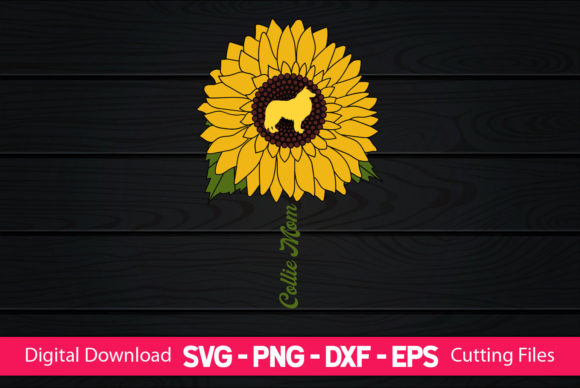
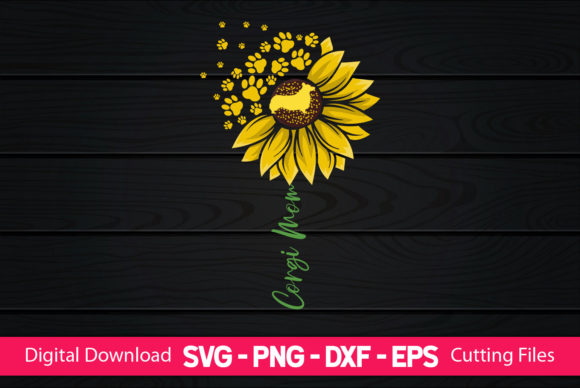
The first impression of Corgi Mom Sunflower Lover is one of cheerful, rustic warmth. The combination of the beloved dog breed with vibrant floral elements creates an immediate emotional connection. For an Etsy seller or small shop owner, this specific niche intersection targets a highly engaged audience. Visually, the design relies on distinct shapes rather than intricate shading, which is actually ideal for embroidery adaptation. The sunflowers offer natural opportunities for textured fill stitch or layered applique design techniques, while the corgi silhouette can be rendered effectively with satin stitch borders or dense fill areas depending on the desired outcome.
In terms of mood, this graphic feels organic and friendly. It avoids the stiffness that sometimes plagues commercial graphics, making it perfect for handmade products intended to feel personal. Whether you are creating a boutique product line or a single personalized gift, the layout suggests versatility. It has enough visual weight to serve as a centerpiece on a sweatshirt embroidery project but remains balanced enough for smaller applications like an embroidered patch or tote bag design.
Real-World Application: The Custom Sweatshirt Test
To truly evaluate this asset, I mentally placed it in a real-life production scenario: preparing a custom embroidered sweatshirt for a client who runs a local dog rescue fundraiser. In this context, Corgi Mom Sunflower Lover needs to perform under pressure. Sweatshirts are typically made of fleece or cotton blends, which have significant texture and stretch. If I were converting this graphic for this specific garment, I would immediately assess the negative space within the sunflower petals and the corgi’s facial features.
On a textured fabric like fleece, fine details can get lost. Therefore, when adapting this digital embroidery file, I would recommend simplifying any tiny internal lines from the original vector art. Instead of attempting a running stitch for delicate petal veins, I might opt for a tonal fill stitch or even a fabric overlay to maintain clarity. For the text "Corgi Mom," legibility is paramount. On a sweatshirt, lettering should be converted to a column satin stitch or a bold fill stitch rather than a standard running stitch, which tends to sink into the pile. This practical adjustment ensures the finished product looks professional and retains high customer trust.
Navigating Fabric Constraints and Hoop Sizes
While the design is versatile, there are specific environments where caution is necessary. Because Corgi Mom Sunflower Lover originates as a print-ready file for cutting machines, the complexity of the lines must be scrutinized before digitizing. If you plan to use this for baby embroidery on thin jersey knit, the stitch density becomes a critical factor. Too much density will cause puckering or holes; too little will look sparse. You must verify that your digitizing software allows for density adjustments tailored to lightweight fabrics.
Furthermore, consider the hoop size limitations. If you intend to place this design on a curved surface like a cap, the vertical height of the sunflowers may need to be compressed or rearranged. Caps have strict stitching boundaries, and a tall, vertical composition often distorts on the curved brim area. Similarly, if using this for kitchen towels or tea towels, ensure the stabilizer choice matches the fabric weight. A tear-away stabilizer might suffice for a dense design on woven cotton, but a cut-away is non-negotiable for stretchy apparel to prevent the Corgi Mom Sunflower Lover motif from warping after washing.
Commercial Viability and Brand Consistency
For creative entrepreneurs and craft business owners, this graphic holds significant commercial potential. The "dog mom" niche is evergreen, and adding the sunflower element differentiates it from generic canine designs. However, professionalism dictates due diligence. Before listing any finished product or selling items featuring this art, you must confirm the licensing terms included with your purchase. Just because a file is available as a digital asset does not automatically grant commercial embroidery rights for physical goods.
From a branding perspective, consistency builds recognition. If you adopt Corgi Mom Sunflower Lover as part of your shop’s aesthetic, ensure your thread colors remain consistent across different batches. Create a standardized color chart for the sunflower yellows and corgi tans. This attention to detail elevates a simple hobbyist project to a recognizable brand asset. Additionally, when creating printable mockups for your Etsy listings, test how the design looks against both light and dark backgrounds. A design that pops on white fabric might disappear on navy unless you add a contrasting outline or background fill stitch during the digitizing process.
Essential Pre-Stitch Checklist for Makers
Transitioning from a vector graphic to a tangible embroidered item requires a disciplined workflow. Based on my experience reviewing similar assets, here is a practical checklist for using Corgi Mom Sunflower Lover successfully:
- Verify File Compatibility: Confirm whether the provided SVG/PNG files are suitable for auto-digitizing or if manual tracing is required for optimal stitch paths.
- Test Stitch Density: Always run a test sew-out on scrap fabric identical to your final project. Check specifically for thread breaks or excessive bulk in the sunflower centers.
- Evaluate Text Legibility: If the design includes script font, ensure the letter height exceeds 4mm for satin stitches to prevent thread shredding.
- Check Stabilizer Pairing: Match your stabilizer to the fabric texture, not just the design density. Stretchy fabrics require cut-away support regardless of design size.
- Review Licensing: Explicitly check if the license covers commercial sale of finished embroidered goods versus just digital redistribution.
- Mockup Validation: Create black and white mockups to test contrast. If the design relies solely on color differentiation without value contrast, it may fail visually in certain lighting.
- Wash Testing: For items like aprons or baby clothes, wash the test sample to ensure the stitch density holds up without distorting the fabric.
Final Thoughts on Design Adaptation
Corgi Mom Sunflower Lover represents a delightful intersection of trendy aesthetics and crafting utility. Its strength lies in its clear, shape-based composition which translates well to needle and thread when handled correctly. For the experienced maker, it offers a canvas for creative digitizing, allowing for unique interpretations through applique, texture, and color blending. For the small business owner, it provides a targeted entry point into a passionate market niche.
However, success depends entirely on respecting the technical differences between cutting files and embroidery files. Do not assume a print-ready SVG is stitch-ready. By applying professional judgment regarding fabric interaction, stabilizer selection, and density management, you can transform this charming graphic into a high-value handmade product. Whether destined for a holiday gift, a boutique inventory staple, or a cherished personal keepsake, this design rewards the crafter who takes the time to engineer it properly for the hoop. Always prioritize the integrity of the stitch over the speed of production, and your results will reflect true craftsmanship.