Mom Daisy Frame: A Designer’s Embroidery Review
As a professional embroidery designer and product reviewer, I approach every new graphic asset with a critical eye toward production viability. When evaluating the Mom Daisy Frame for real-world application, my primary concern is not just aesthetic appeal, but how this digital file translates into physical stitches on fabric. This design sits at the intersection of sentimental value and botanical illustration, making it a staple for the Crafts category. However, successful execution requires understanding its structural integrity as an embroidery file before committing it to a final product.
First Impressions and Structural Integrity
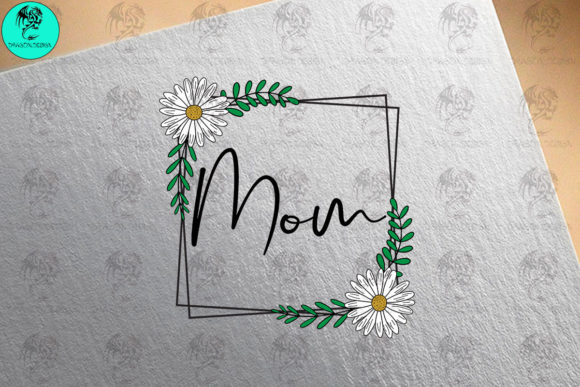
Upon opening the provided assets, which include SVG, Transparent PNG, EPS, and DXF formats, the Mom Daisy Frame presents a balanced composition. The daisy motif offers a soft, organic perimeter that naturally draws the eye inward, creating an ideal negative space for personalization. From a design perspective, the lines appear clean rather than overly intricate, which is a positive indicator for digitizing potential. Overly complex floral details often result in excessive jump stitches or registration issues during production, but this frame seems optimized for clarity.
The mood is distinctly nostalgic yet modern, avoiding the dated look of traditional clip art. For Graphics intended for embroidery, this balance is crucial. It feels appropriate for both vintage-inspired projects and contemporary minimalist aesthetics. As a reviewer, I appreciate that the frame does not dominate the layout; instead, it serves as a supportive border. This suggests high versatility for personalized gift creation where the recipient's name or a specific date must remain legible within the center.
Real-World Application: The Custom Sweatshirt Test
To truly evaluate this design, I mentally placed it in a current market scenario: creating custom crewneck sweatshirts for Mother’s Day. This is a high-volume category for any Etsy seller or small shop owner. Sweatshirt fleece is a textured, stretchy fabric that can be unforgiving to poorly constructed designs. The Mom Daisy Frame appears suitable for this application because the floral elements likely utilize a combination of satin stitch borders and fill stitch interiors, providing enough coverage to stand out against the fleece texture without becoming bulletproof or stiff.
In this real-life case, the transparent PNG file becomes immediately valuable for creating a printable mockup. Before stitching a single test run, I can overlay the graphic onto a digital sweatshirt template to verify placement and scale. This step saves time and materials. If the daisies are too thick, they might distort the garment's drape; if too thin, they may disappear into the fabric nap. Based on the visual weight of this design, it strikes a functional middle ground, making it a strong candidate for custom apparel that needs to feel soft to the touch while maintaining visual impact.
Navigating Fabric Limitations and Hoop Constraints
While the Mom Daisy Frame is versatile, experienced makers know that no design is universal. Caution is required when adapting this graphic for smaller applications like baby onesies or cap fronts. Reducing a floral frame significantly can cause petal details to merge, resulting in thread breaks or poor definition. Always confirm your hoop size capabilities before purchasing. If you intend to use this for baby embroidery, ensure the resized version maintains open spaces between petals to prevent dense stitch buildup that could irritate sensitive skin.
Fabric choice also dictates success. On dark fabrics, the contrast between the daisy frame and the background material is essential. Because this is a vector-based graphic package, you have the flexibility to adjust colors digitally before digitizing, but you must also consider thread availability. A white daisy frame on navy fabric is classic, but on heather gray, it may lack pop. Furthermore, stretchy knits require proper stabilizer selection. Using a cut-away stabilizer is non-negotiable here to prevent the frame from warping after washing. For woven items like tea towels or tote bags, a tear-away may suffice, but always test first.
Commercial Viability and Brand Consistency
For creative entrepreneurs and craft business owners, the Mom Daisy Frame represents more than a single project; it is a scalable asset. The inclusion of EPS and DXF formats ensures compatibility with various digitizing software and cutting machines, allowing for mixed-media products. You could create an embroidered patch using the same design file used for direct-to-garment stitching, ensuring brand consistency across different product lines.
Customer trust relies heavily on professional presentation. A jagged, poorly registered frame screams amateur, whereas a crisp, well-executed Mom Daisy Frame signals quality. When listing finished products, highlight the intentional design choices. Explain that the frame was selected specifically to complement the garment style. This attention to detail increases perceived value. Additionally, verify the licensing terms associated with these files. While the formats suggest commercial utility, confirming whether you can sell the digitized machine embroidery design itself versus only the finished physical product is vital for protecting your business.
Essential Pre-Production Checklist for Makers
Before loading this design into your machine or listing it in your shop, adhere to these practical protocols:
- Test Stitch on Scrap: Never assume a digital proof equals a perfect stitch-out. Run a test on fabric identical to your final project to check tension and density.
- Verify Thread Colors: Monitor screen colors differ from thread charts. Select physical thread samples against your chosen fabric to ensure the daisies do not blend into the background.
- Check Small Details: Inspect the inner curves of the daisy petals. If they are too narrow for your needle size, modify the design in your software to prevent thread shredding.
- Mockup Validation: Use the Transparent PNG to test layouts on both light and dark backgrounds. Ensure the frame remains visible and aesthetically pleasing in all intended colorways.
- Stabilizer Audit: Match your backing to the fabric weight. Heavy fleece needs robust support; lightweight cotton needs gentle stabilization to avoid puckering.
- License Confirmation: Review the specific usage rights for the SVG, PNG, EPS, and DXF files to ensure compliance with your sales model.
Final Thoughts on Design Utility
The Mom Daisy Frame succeeds because it respects the fundamental rules of textile decoration while offering emotional resonance. It avoids the trap of being overly trendy, ensuring longevity in your catalog. Whether you are producing holiday gifts, boutique merchandise, or personalized keepsakes, this graphic provides a reliable foundation. Its multi-format delivery supports a wide workflow, from initial concept mockups to final production. By treating this asset with professional scrutiny and testing rigorously, you transform a simple digital download into a premium handmade product that customers will cherish. Remember, the best embroidery designs are those that look as good stitched out as they do on screen, and with proper preparation, this frame delivers on that promise.