Mom Wife Nurse SVG: A Designer’s Embroidery Review
As a professional embroidery designer and product reviewer, I approach every new graphic asset with a specific question: will this actually stitch out well on real fabric? When evaluating the Mom Wife Nurse, SVG, my focus shifts immediately from digital aesthetics to practical application. This design targets a very specific and passionate niche, blending three demanding identities into one visual statement. For craft business owners, Etsy sellers, and apparel decorators, this isn't just another cute graphic; it is a potential bestseller for nurse appreciation gifts, hospital staff merchandise, and personalized family items. However, translating a high-resolution 4500x5400 pixel graphic into a tangible embroidered patch or sweatshirt requires careful technical consideration.
First Impressions and Visual Hierarchy
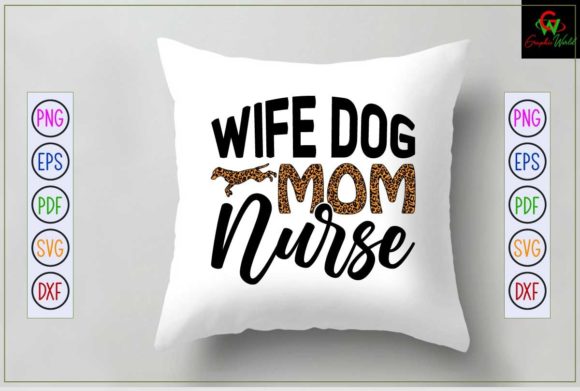
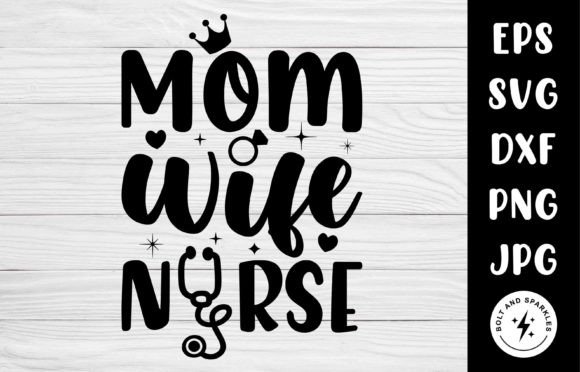
Upon opening the files, the first thing I assess is the layout balance. The "Mom Wife Nurse" theme relies heavily on typography and symbolic iconography. In the provided PNG and JPG previews at 300 dpi, the design appears crisp with a transparent background, which is excellent for creating printable mockups before committing thread to fabric. Visually, the design carries a sense of pride and exhaustion simultaneously—a mood that resonates deeply with the target demographic. The hierarchy seems to prioritize readability, which is crucial because intricate scripts often fail in machine embroidery if they are too thin. As a graphics asset intended for crafts, it strikes a balance between decorative flair and legible communication. For a handmade product to succeed, the customer must be able to read the text from a conversational distance, and this design appears structured to support that clarity.
Real-World Application: The Tote Bag Test
To truly evaluate this Mom Wife Nurse, SVG, I mentally placed it onto a canvas tote bag project, a staple for nurse shift workers carrying scrubs or personal items. Canvas is a forgiving fabric texture, but it demands proper stabilizer to prevent puckering around dense stitch areas. In this scenario, I envision using the SVG file to guide an applique design or a combination of fill stitch and satin stitch elements. The size of the source image suggests ample resolution for digitizing at standard tote bag dimensions without losing edge definition.
For a custom apparel project like a heavyweight sweatshirt, the design’s personality shines. Sweatshirt embroidery requires managing fabric stretch. If the Mom Wife Nurse, SVG features bold lettering, I would recommend testing the stitch density on scrap fleece first. Fleece tends to swallow fine details, so running stitch outlines might need to be thickened slightly during the digitizing process to ensure they remain visible after washing. This specific use case highlights why having multiple file formats (EPS, DXF, SVG) is vital; it allows the embroiderer to adjust vector nodes if the automatic digitizing software misinterprets a curve on a textured garment.
Navigating Fabric Limitations and Hoop Sizes
While the design is versatile, there are environments where caution is necessary. I would hesitate to use this design in its entirety on small hoop sizes or curved surfaces like caps unless it has been specifically resized and re-digitized for that purpose. Caps have limited vertical space, and complex multi-role titles can become distorted on the curved brim area. Similarly, when working with thin or stretchy fabrics like performance tees often worn by nurses under scrubs, the stitch count becomes a critical factor. A dense design meant for canvas can cause holes or drag lines on lightweight knits.
Dark fabrics present another challenge. If the Mom Wife Nurse, SVG relies on light-colored internal details, those elements may get lost against navy or black scrubs unless adequate underlay or contrast thread colors are selected. Always test on the actual garment material. A design that looks perfect on a white screen background might lack the necessary pop on charcoal grey cotton. For baby embroidery or nursery decor, safety and softness are paramount; ensure the back of the embroidery is smooth and that no scratchy stabilizer remnants remain, as infant skin is sensitive. The high-resolution source art helps here, allowing for cleaner digitizing paths that reduce jump stitches and trim marks on delicate items.
Technical Notes for Commercial Embroidery Success
For fellow Etsy sellers and small shop product creators, professionalism lies in the finishing. Before listing any finished product featuring this design, conduct a wash test. Nurse apparel and tote bags endure frequent laundering. Verify that the thread colors hold up and that the stabilizer was sufficient to prevent distortion over time. When creating digital product previews or printable mockups for your own listings, utilize the included 300 dpi PNG with transparent background to show customers exactly how the design will look on various merchandise without needing to stitch every variation. This builds buyer engagement and trust.
Furthermore, always confirm licensing. Just because you possess the EPS, SVG, DXF, JPG, and PNG files does not automatically grant unlimited commercial rights for selling digital embroidery files versus physical finished products. Clarify whether you can sell the digitized version or only the physical embroidered patch, apron, or pillow cover. Respecting intellectual property protects your craft business reputation. When digitizing from this vector art, pay attention to stitch direction. Proper stitch angles enhance the visual appeal and structural integrity of the final piece, making the difference between a hobbyist look and a boutique-quality product.
Elevating Product Value Through Design Choices
The true value of the Mom Wife Nurse, SVG lies in its emotional connection to the end user. Nurses and mothers are significant consumers of personalized gifts and holiday embroidery. By treating this graphic as a premium design asset rather than generic clipart, you elevate the perceived value of your work. Consider offering variations: perhaps a monogrammed version for a wedding gift or a simplified badge-style version for an embroidered patch. The versatility of the included file types supports this creativity.
Ultimately, successful embroidery is about matching the right design to the right substrate. This graphic offers strong potential for custom apparel, tea towels, and boutique branding, provided the maker respects the technical constraints of their machine and materials. Test your tension, review your stabilizer choices, and never skip the sample run. When executed with precision, this design transforms from a digital file into a cherished symbol of identity for hardworking women, validating both their profession and their personal roles. That emotional resonance, backed by technical excellence, is what turns a simple embroidery project into a sustainable business offering.