The Mom of Boy: An Embroidery Design Review
As a designer who spends more time behind an embroidery hoop than a computer screen, I approach every new digital asset with a healthy dose of skepticism. When evaluating The Mom of Boy for potential use in client projects or shop inventory, my first question is never about how cute it looks on a screen. My question is always: will this actually stitch out cleanly on real fabric? This design, marketed primarily as an SVG cut file for Cricut users, presents a unique opportunity and challenge for machine embroidery designers and apparel decorators. While the product description highlights its versatility for printed T-shirts, mugs, and tumblers, those of us in the needle and thread business need to assess its viability as a foundation for stitched goods.
Translating Vector Graphics to Stitched Reality
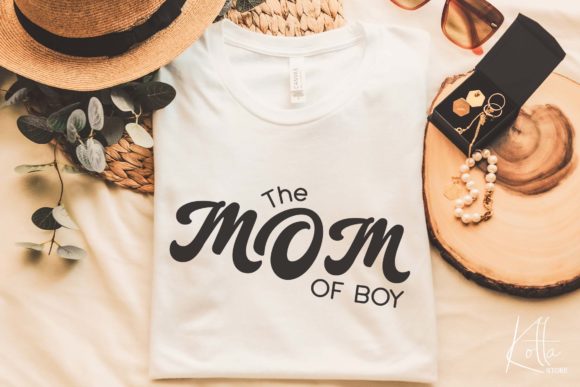
The initial impression of The Mom of Boy is one of bold, graphic simplicity. It carries a confident, modern aesthetic that appeals strongly to the current market for minimalist mom gear. However, because this originates as a vector graphic rather than a native digitized embroidery file, we must treat it as a blueprint rather than a finished pattern. The clean lines and solid shapes suggest it would translate beautifully into a satin stitch border or a smooth fill stitch area, but only if the digitizing process respects the limitations of thread tension.
In my studio, when I look at this layout, I immediately visualize it as a left-chest placement on a heavyweight cotton sweatshirt or centered on a canvas tote bag. The mood is casual yet proud, making it ideal for everyday custom apparel. However, the transition from screen to fabric requires careful interpretation. If you are purchasing this digital download intending to embroider it, verify whether an embroidery-specific format is included or if you will be auto-digitizing the SVG yourself. Auto-digitizing can often result in excessive jump stitches or poor underlay on complex curves, so manual cleanup is usually necessary to ensure professional results.
Real-World Application: The Canvas Tote Test
To truly judge the commercial viability of The Mom of Boy, I mentally run through a specific production scenario: creating a premium embroidered tote bag for a boutique client. Canvas is unforgiving; it shows every puckering issue and registration error. For this project, the design needs to anchor securely without distorting the fabric texture.
I envision using a tear-away stabilizer with a light spray adhesive to keep the canvas stable. Because the lettering in The Mom of Boy appears substantial, I would likely employ a tatami fill stitch for the interior blocks to reduce density and prevent the "bulletproof" effect that makes embroidered bags stiff and unappealing. The visual personality of this design demands high contrast. On a natural canvas bag, a deep navy or forest green thread would provide the necessary pop to make the graphics readable from a distance. This specific application highlights why checking stitch density is non-negotiable; a design meant for vinyl cutting has no inherent stitch count, and guessing wrong could ruin both the handmade product and your reputation as an Etsy seller.
Navigating Fabric Variables and Hoop Constraints
While The Mom of Boy shines on stable substrates like canvas or denim, it requires caution when applied to stretchy or textured materials. If you are planning baby embroidery on onesies or knit fabrics, the lack of native digitization data becomes a critical factor. Stretchy fabrics move during stitching, and without proper compensation built into the embroidery file, the final image may distort.
- Stretchy Knits: Always use a cut-away stabilizer and consider a water-soluble topping to prevent stitches from sinking into the fabric pile.
- Caps and Hats: The curved surface of a cap changes how horizontal lines appear. Test The Mom of Boy on a scrap cap first to ensure the baseline doesn't look crooked once wrapped around the crown.
- Dark Fabrics: Since this is a graphic-heavy design, ensure your thread colors have enough value contrast against black or charcoal backgrounds. Light gray thread on black fabric often disappears in photos, affecting your printable mockup quality.
- Small Hoop Sizes: If resizing down for a 4x4 hoop, inspect the smallest text elements. Serifs and thin connecting lines may become unreadable or cause needle breaks if reduced too aggressively.
For small shop products like kitchen towels or tea towels, the design’s bold nature is an asset. These items are washed frequently, so durability matters. A running stitch outline might not hold up as well as a satin stitch edge over time. As a creative entrepreneur, balancing aesthetic appeal with functional longevity is what separates hobbyist work from professional commercial embroidery.
Impact on Brand Consistency and Customer Trust
Using a recognizable, trendy asset like The Mom of Boy can boost engagement, but execution defines value. Customers browsing Etsy listings or craft fair tables are increasingly savvy. They can spot a poorly digitized conversion instantly. When the stitch-out is crisp, with clean corners and appropriate density, it signals professionalism. It tells the buyer that you understand your craft, not just your software.
Conversely, if the design pulls the fabric or leaves gaps between color blocks, it devalues the entire personalized gift. Visual appeal directly correlates to perceived worth. For holiday embroidery or mother’s day specials, where margins rely on volume and speed, having a reliable, pre-tested version of this design saves hours of troubleshooting. It allows you to focus on marketing and fulfillment rather than re-hooping failed samples.
Essential Pre-Production Checklist for Makers
Before listing any finished product featuring The Mom of Boy, or before accepting a custom order, run through this practical validation list. These steps protect your materials and your brand integrity.
- Verify Licensing: Confirm explicitly that the license covers commercial embroidery of finished goods. Some digital downloads allow printing but restrict stitched resale. Never assume usage rights.
- Test Stitch on Scrap: Never run a new design directly on a customer’s garment. Use a similar weight scrap fabric with the exact same stabilizer setup intended for the final project.
- Audit Thread Colors: View your thread selection in natural daylight. Digital mockups often oversaturate colors. Ensure the physical threads match the intended mood of the design.
- Check Registration: After the test stitch, measure the alignment of multi-color sections. If there is gapping, adjust your hoop tension or add additional underlay stitches in your digitizing software.
- Create Accurate Mockups: When selling online, use photos of actual test stitches for your listings whenever possible. If using digital mockups, ensure they accurately represent the stitch texture and scale of The Mom of Boy to avoid customer disappointment.
Ultimately, The Mom of Boy offers excellent potential for apparel decorators and makers looking to tap into the popular "boy mom" niche. Its strength lies in its clear, communicative design language. However, success depends entirely on the technical translation from digital graphic to tangible textile. By treating this asset with the respect due to any machine embroidery design—testing rigorously, stabilizing appropriately, and honoring licensing terms—you can transform a simple download into a best-selling staple in your handmade business. Whether it ends up on a nursery pillow, a weekend tote, or a cozy sweatshirt, the quality of your craftsmanship will determine its true value in the marketplace.