This Mom Fought Back SVG: An Embroidery Review
As a professional embroidery designer and product reviewer, I approach every new digital asset with a critical eye. When evaluating the This Mom Fought Back Svg Cutting File, my primary concern is not just how it looks on a screen, but how it translates into thread on fabric. While this file is marketed primarily as a cutting file for vinyl and paper crafts, its bold typography and graphic layout make it a compelling candidate for adaptation into machine embroidery design. For Etsy sellers, small shop owners, and makers focusing on maternal empowerment or niche apparel, understanding the technical translation of this Graphics asset is essential before listing a finished product.
First Impressions and Visual Personality
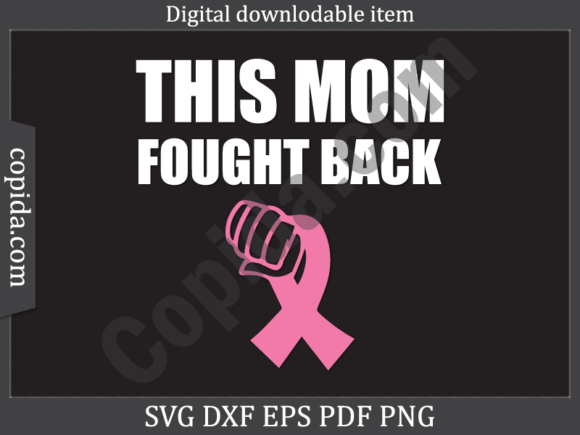
Upon extracting the uncompressed folder and reviewing the included SVG, DXF, EPS, PDF, and PNG formats, the design immediately communicates resilience and strength. The visual personality is assertive yet balanced, avoiding overly aggressive angles while maintaining a firm stance. For an embroidery project, this mood is perfect for custom apparel like sweatshirts or tote bags intended for new mothers, postpartum support groups, or advocacy merchandise. The layout suggests a centered composition that would work beautifully as a chest placement on a hoodie or a full-back design on a denim jacket.
However, because this is originally a vector graphic rather than a native digitized embroidery file, the first impression requires a technical filter. The lines are clean, which is excellent for satin stitch borders, but the internal spacing must be evaluated for stitch density. As a reviewer, I see high potential for a handmade product that feels premium and intentional, provided the digitizing process respects the original weight of the lettering.
Real-World Application: The Custom Sweatshirt Test
To truly evaluate this design, I mentally simulated a real-life scenario: creating a premium crewneck sweatshirt for a boutique client celebrating her journey through early motherhood. In this context, the This Mom Fought Back Svg Cutting File serves as the foundational art. When adapting this for sweatshirt embroidery, the goal is to ensure the message remains legible and impactful without compromising the garment's drape.
In this specific use case, I would utilize the PNG or EPS version as a template for digitizing. The phrase demands clarity. If stitching on a fleece-backed sweatshirt, the fabric texture can swallow fine details. Therefore, I would recommend converting thinner strokes into fill stitch columns rather than running stitches to prevent them from disappearing into the nap of the fabric. For a personalized gift in this category, the emotional resonance relies entirely on execution. A customer receiving this item needs to feel the quality; if the letters are too dense, the sweatshirt becomes stiff and unwearable. If they are too sparse, the message loses its power. This balance is where the designer’s expertise turns a simple SVG into a high-value commercial embroidery piece.
Technical Considerations for Stitch Translation
Because you are receiving vector formats (SVG, DXF, EPS) and raster formats (PNG, PDF) rather than pre-digitized embroidery files like PES or DST, you must verify compatibility with your software. This distinction is vital for craft business owners. You cannot load these directly into an embroidery machine. They are design assets meant to be traced or auto-digitized.
- Stitch Density Management: When converting this graphic, avoid default auto-digitize settings. Manually adjust stitch density to prevent puckering on stretchy knits or lightweight cottons.
- Hoop Size Verification: Measure the aspect ratio of the SVG before committing to a hoop size. This design likely requires a 5x7 or larger hoop to maintain legibility without overcrowding.
- Stabilizer Selection: For t-shirts or baby embroidery, use a cut-away stabilizer to support the weight of the text. For tote bag designs or canvas aprons, a heavy-duty tear-away may suffice.
- Thread Color Contrast: Test the design in black and white mockups first. Ensure the font weight holds up when rendered in single-color thread, especially if using white thread on dark fabric.
Navigating Fabric Limitations and Risk Areas
Not every surface is suitable for this specific design. Through years of testing, I have found that bold, statement graphics like "This Mom Fought Back" struggle on highly textured fabrics like terry cloth or ribbed knits unless significant underlay is used. The detail level required to make the sentiment readable means that tiny lettering or decorative accents within the file might need to be simplified or removed entirely during the digitizing phase.
Be particularly cautious with curved surfaces like caps. Unless the design has been specifically warped for hat embroidery, placing a straight-line vector graphic on a curved cap brim will result in distortion at the edges. Similarly, for baby clothes or thin muslin items, the stitch count could become too heavy, causing tearing. Always test on scrap fabric that matches your final project’s weight and weave. If you plan to sell this as part of a holiday embroidery collection or nursery decor line, remember that frequent washing is expected. Satin stitch edges should be secured properly to prevent fraying over time.
Commercial Value and Brand Consistency
For Etsy sellers and creative entrepreneurs, the value of this asset extends beyond a single project. It represents a brand voice. Using the This Mom Fought Back Svg Cutting File consistently across different mediums—perhaps as a vinyl decal on a mug and an embroidered patch on a jacket—creates cohesive brand recognition. However, professionalism hinges on presentation.
Before listing any finished product, create printable mockups using the included PNG file to visualize placement. But do not rely solely on digital previews. Stitch out a sample to photograph. Customers trust handmade products more when they can see actual thread texture and realistic lighting. This builds buyer engagement and reduces returns due to unmet expectations. Furthermore, always confirm licensing terms. Just because a file is available for download does not automatically grant commercial embroidery rights for mass production. Verify whether you can sell the physical embroidered items or if the license restricts usage to personal projects only.
Designer Notes for Successful Execution
Integrating this Graphics file into your workflow requires diligence. Here are my practical recommendations for ensuring success:
- Extract Properly: Remember that after downloading, you get files in a .zip folder. You must extract and uncompress the folder before importing into any design software. Corrupt imports often stem from skipping this step.
- Check Licensing: Before selling finished custom apparel or digital embroidery files derived from this art, review the creator's terms of use explicitly.
- Test Stitch Out: Never skip the test run. Inspect small details and corners for thread breaks or registration issues.
- Evaluate Context: Consider if the design fits the end user. Is it appropriate for a baby item, or is it better suited for adult advocacy wear? Match the product type to the message tone.
- Optimize for Washability: If creating tea towels or kitchen items, ensure the stitch type can withstand heat and agitation. Avoid delicate decorative stitches in high-wear areas.
The This Mom Fought Back Svg Cutting File offers a strong foundation for meaningful, marketable embroidery projects. By treating it as a starting point for professional digitizing rather than a plug-and-play solution, makers can produce goods that honor both the sentiment of the design and the standards of quality craftsmanship. Whether you are building a craft business inventory or creating a deeply personal gift, taking the time to understand the interplay between this vector art and needle mechanics will result in a superior finished product.