Yorkshire Terrier with Flowers: An Embroidery Review
As a professional embroidery designer and product reviewer, I approach every new graphic asset with a specific question: will this actually stitch out beautifully on fabric? When evaluating the Yorkshire Terrier with Flowers digital vector file, my first impression is one of charming versatility. The hand-drawn aesthetic suggests a softness that translates exceptionally well to thread, avoiding the rigid, overly digitized look that can sometimes plague pet portraits. For those of us in the Crafts industry, specifically creating personalized goods, this design strikes a balance between detailed illustration and stitch-friendly simplicity. It evokes a cozy, boutique mood immediately, making it a strong contender for items meant to be cherished rather than just worn.
Translating Vector Art to Stitched Reality
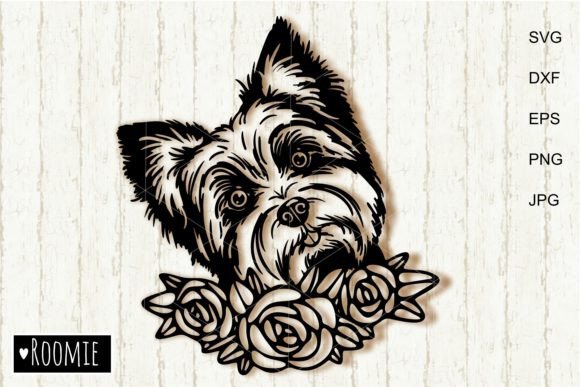
The transition from a screen-based SVG to a physical machine embroidery design requires careful consideration of line weight and negative space. In reviewing the Yorkshire Terrier with Flowers, I noticed the floral elements provide excellent framing for the Yorkie face. From a technical standpoint, this layout is ideal for centering in standard hoops without requiring excessive re-hooping. The "hand-drawn" nature of the original Graphics file implies organic lines, which typically digitize better as satin stitches or textured fill stitches compared to sharp geometric vectors. However, because this is primarily marketed as a cut file and sublimation asset, any embroiderer must verify if a dedicated embroidery file version exists or if they are digitizing from the vector source themselves.
If you are digitizing this yourself for a sweatshirt embroidery project, the floral accents offer a natural opportunity to use variegated threads, adding depth without increasing stitch density. The Yorkie’s facial features, particularly the eyes and nose, will require precise registration. In my experience testing similar canine portraits, maintaining clarity in these small areas is what separates a professional finished product from an amateur attempt. The design’s composition allows for a stable base, meaning the risk of fabric puckering is manageable provided you use the correct stabilizer.
Real-World Application: The Custom Tote Bag Test
To truly judge the viability of the Yorkshire Terrier with Flowers, I mentally prototyped a custom canvas tote bag intended as a gift for a client who recently adopted a rescue Yorkie. Tote bags present unique challenges due to the coarse fabric texture of canvas. A design with too much fine detail gets lost in the weave; a design with too little looks sparse.
In this scenario, the Yorkshire Terrier with Flowers performs admirably because the flowers add necessary visual weight to the bottom and sides of the composition, anchoring the lighter dog face. For a tote bag design, I would recommend utilizing an applique design technique for the larger floral sections. This reduces total stitch count, keeps the bag lightweight, and adds a tactile element that customers love. The Yorkie face itself should remain as direct embroidery to preserve the likeness. This combination creates a high-value personalized gift that feels substantial and handmade. Furthermore, the whimsical style fits perfectly with the casual, eco-friendly vibe of canvas goods, ensuring the handmade product aligns with current market trends for pet lovers.
Navigating Fabric Limitations and Hoop Constraints
While the design is versatile, it demands respect for material limitations. When planning baby embroidery or items on stretchy knits, the complexity of the Yorkie’s fur texture combined with flower petals can create dense spots. If the stitch density is too high, it can cause needle breaks or distort the garment. For baby onesies or lightweight tees, I advise simplifying the background flowers or using a lighter fill stitch to prevent the fabric from becoming stiff and unwearable.
Small hoop size constraints are another critical factor. The Yorkshire Terrier with Flowers likely has a vertical aspect ratio given the description of a face and paw arrangement. If you are working with a 4x4 hoop, you may need to resize or separate the elements. Resizing vector-based embroidery designs downward often results in lost detail in the eyes or mouth. Always check your minimum safe size before committing to a production run. Additionally, when working on dark fabrics, ensure the design includes adequate underlay or light-colored outlines so the Yorkie doesn't disappear into the background. Contrast is key for recognition, especially in commercial embroidery where the design must be legible from a distance.
Strategic Considerations for Etsy Sellers and Makers
For the Etsy seller or small business owner, this design offers significant potential for niche marketing. Pet-specific merchandise relies heavily on breed recognition. The Yorkshire Terrier with Flowers targets a passionate demographic: Yorkie moms and dads. However, success depends on presentation. Before listing a custom apparel item or an embroidered patch, create accurate printable mockup previews. Since this asset is also suitable for sublimation and vinyl, showing customers how the design looks across different mediums builds trust and demonstrates value.
Be mindful of licensing. The product description mentions "Digital vector fil" and various uses like Cricut and Laser, but as an embroiderer, you must confirm if the license covers selling physical embroidered goods versus just digital files. Protecting your craft business means verifying these terms explicitly. Never assume a "cut file" license automatically grants commercial embroidery rights. Clear communication regarding usage prevents future disputes and maintains professionalism.
Essential Designer Notes for Success
Before loading the Yorkshire Terrier with Flowers into your machine for a final project, adhere to these practical guidelines to ensure quality:
- Test on Scrap Fabric First: Never stitch a new design directly onto a sellable item. Use a scrap of the exact same material and stabilizer combination to check for registration issues or tension problems.
- Verify Thread Color Contrast: Yorkies have distinct tan and steel-blue coloring. Ensure your thread colors match the breed standard if aiming for realism, or deliberately choose stylized colors if going for a whimsical look. Test against both light and dark backgrounds.
- Inspect Small Details: Zoom in on the digitized file. Are the pupils open? Is the nose defined? If details are smaller than 1mm, they may not stitch cleanly. Edit or simplify as needed.
- Check Stabilizer Compatibility: For knits, use cut-away stabilizer. For wovens, tear-away may suffice. The right support prevents the Yorkshire Terrier with Flowers from distorting during the stitching process.
- Review Licensing Terms: Confirm whether the digital embroidery file allows for commercial sale of finished products. Document this permission for your records.
- Evaluate Washability: If creating tea towels or aprons, consider how the design holds up to laundering. Dense satin stitches can fray over time; a blend of fill and running stitches often ages better on functional items.
Final Thoughts on Design Value
The Yorkshire Terrier with Flowers represents more than just a cute dog graphic; it is a test of an embroiderer's ability to adapt vector art into tangible textiles. Its success lies in the maker's attention to technical execution and contextual application. Whether used for a heartfelt holiday embroidery gift, a branded small shop product, or a unique addition to your design assets library, this design rewards patience and precision. By respecting the interplay between thread, fabric, and form, you transform a digital download into a professional-grade embroidered piece that resonates with pet owners and showcases true craftsmanship. Always remember that in embroidery, the best design is one that respects the medium as much as the subject matter.